
Milia Removal Using Cryotherapy: An Effective Treatment Option
Milia are small, white or yellowish bumps that commonly appear on the skin, particularly on the face. These tiny cysts are often found in groups and can be aesthetically displeasing. Fortunately, cryotherapy offers an effective solution for milia removal. In this article, we will explore what milia is, its causes, its appearance, and how cryotherapy works as a treatment option. If you're looking for milia removal in Belfast and Bangor, read on to learn more.
- Quick and efficient treatment
- Minimal discomfort during the procedure
- No scarring in most cases
- Suitable for various skin types
- Can be performed on small or large areas of the body
- Redness and swelling at the treatment site
- Temporary darkening or lightening of the skin
- Blistering or crusting, which resolves over time
- Infection, although rare
- Rarely, scarring or permanent skin discoloration
- Applying an antibiotic ointment or soothing cream to the treated area.
- Avoiding direct sun exposure and using sunscreen to protect the healing skin.
- Gently cleansing the area with mild, non-irritating cleansers.
- Avoiding picking, scratching, or exfoliating the treated area to prevent infection and scarring.
- Manual extraction: This involves using a sterile needle or lancet to carefully extract the milia.
- Topical retinoids: Prescription-strength retinoid creams can help promote skin cell turnover, reducing the appearance of milia over time.
- Chemical peels: Mild chemical peels can assist in exfoliating the skin and improving its texture, potentially minimising the appearance of milia.
- Practice good skincare hygiene, including regular cleansing and exfoliation.
- Avoid using heavy or comedogenic skincare products that can clog pores.
- Protect your skin from excessive sun exposure by wearing sunscreen and protective clothing.
- Avoid excessive use of oily or greasy cosmetics.
Milia are small, white or yellowish bumps that commonly appear on the skin, particularly on the face. These tiny cysts are often found in groups and can be aesthetically displeasing. Fortunately, cryotherapy offers an effective solution for milia removal. In this article, we will explore what milia is, its causes, its appearance, and how cryotherapy works as a treatment option. If you're looking for milia removal in Belfast and Bangor, read on to learn more.
What is Milia?
Milia, also known as milk spots, are small, benign cysts that commonly develop on the skin's surface. These cysts form when dead skin cells become trapped in small pockets near the surface of the skin. Milia can occur in people of all ages, from infants to adults.Causes of Milia
The exact causes of milia can vary depending on the type. Primary milia, the most common type, occurs due to the skin's inability to naturally exfoliate dead skin cells. Secondary milia can arise as a result of various factors, including skin damage, blistering, burns, or certain medical conditions.The Look of Milia
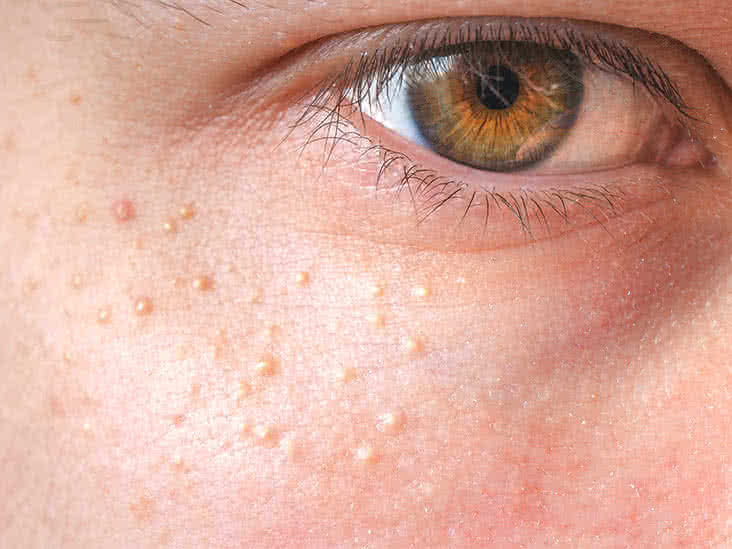
Milia are typically small, dome-shaped bumps with a white or yellowish color. They are commonly found on the face, particularly around the eyes, nose, and cheeks. While milia are usually painless and do not cause any discomfort, they can be a cosmetic concern for many individuals.Cryotherapy: An Overview
Cryotherapy is a medical procedure that involves the use of extremely cold temperatures to remove or treat various skin conditions. It utilises liquid nitrogen or other freezing agents to freeze the affected area, causing the targeted tissue to be destroyed.Cryotherapy for Milia Removal
Cryotherapy is an effective treatment option for milia removal. During the procedure, our trained professional applies liquid nitrogen to the milia using a specialised applicator. The freezing temperature causes the milia to break down and eventually fall off. Cryotherapy is a relatively quick and straightforward procedure, usually completed within minutes.Benefits of Cryotherapy
Cryotherapy offers several benefits for milia removal:- Quick and efficient treatment
- Minimal discomfort during the procedure
- No scarring in most cases
- Suitable for various skin types
- Can be performed on small or large areas of the body
Risks and Side Effects
Although cryotherapy is generally safe, some risks and side effects may occur, including:- Redness and swelling at the treatment site
- Temporary darkening or lightening of the skin
- Blistering or crusting, which resolves over time
- Infection, although rare
- Rarely, scarring or permanent skin discoloration
Risks and Side Effects
It's essential to consult with a qualified professional or dermatologist before undergoing cryotherapy to ensure that you are a suitable candidate for the procedure. They will assess your skin condition, medical history, and discuss any potential risks or side effects specific to your case.Preparing for Cryotherapy Treatment
Before your cryotherapy session, we will provide you with specific instructions to follow. These may include avoiding certain medications, skincare products, or makeup in the treatment area. It's crucial to follow these guidelines to ensure optimal results and minimise the risk of complications.The Cryotherapy Procedure
During the cryotherapy procedure for milia removal, our skin expert will carefully apply liquid nitrogen or another freezing agent to the milia using a specialised applicator. The extremely cold temperature causes the milia to freeze and eventually fall off. The process is usually quick and well-tolerated, with minimal discomfort.Aftercare and Recovery
Following cryotherapy, it's normal for the treated area to experience some redness, swelling, or mild discomfort. We will provide you with detailed aftercare instructions, which may include:- Applying an antibiotic ointment or soothing cream to the treated area.
- Avoiding direct sun exposure and using sunscreen to protect the healing skin.
- Gently cleansing the area with mild, non-irritating cleansers.
- Avoiding picking, scratching, or exfoliating the treated area to prevent infection and scarring.
Results and Expectations
The results of cryotherapy for milia removal can vary from person to person. In some cases, the milia may disappear immediately after the treatment, while in others, multiple sessions may be required for optimal results. It's important to have realistic expectations and understand that complete clearance may not be achieved in a single session.Alternative Milia Removal Methods
In addition to cryotherapy, there are alternative methods available for milia removal, including:- Manual extraction: This involves using a sterile needle or lancet to carefully extract the milia.
- Topical retinoids: Prescription-strength retinoid creams can help promote skin cell turnover, reducing the appearance of milia over time.
- Chemical peels: Mild chemical peels can assist in exfoliating the skin and improving its texture, potentially minimising the appearance of milia.
Preventing Milia
While it may not always be possible to prevent milia, there are certain measures you can take to reduce the risk of their occurrence:- Practice good skincare hygiene, including regular cleansing and exfoliation.
- Avoid using heavy or comedogenic skincare products that can clog pores.
- Protect your skin from excessive sun exposure by wearing sunscreen and protective clothing.
- Avoid excessive use of oily or greasy cosmetics.




 Send us a message
